

Introduction
In a world where daily life moves at an exhausting pace, quality sleep has become a rare luxury. People search endlessly for ways to improve rest — from apps that track REM cycles to supplements promising deep relaxation. Yet, one of the simplest and most powerful solutions lies right beneath us: the bedding we sleep on. An advertisement that highlights natural, organic, and ethically made bedding challenges the fast-fashion mentality of home goods. Instead of promoting impulsive consumption, it invites us to slow down, value craftsmanship, and recognize that better sleep starts with better materials.
This ad does not rely on loud visuals or exaggerated claims. Instead, it blends elegance, authenticity, and purpose. It represents more than just a brand; it communicates a philosophy — that true luxury comes from harmony between comfort, health, and responsibility toward the planet.
A Brand Built on Integrity and Tradition
At the heart of the advertisement is a brand story rooted in family heritage and ethical craftsmanship. Presented as a third-generation family-owned business, it embodies values often lost in modern mass production: trust, honesty, and care. The ad communicates the idea that each product is not just manufactured but thoughtfully created by people who understand the importance of quality and longevity.
This family background helps establish emotional credibility. Viewers sense that the company is not merely chasing profit but continuing a legacy of excellence. That narrative appeals to consumers tired of corporate advertising that feels detached or impersonal. It’s a reminder that behind every product there can be real people, real skills, and genuine dedication.
The Power of Natural Materials
Central to the ad’s message is its devotion to organic cotton and fine wool. These materials are not chosen just for luxury but for their natural performance qualities — breathability, softness, and temperature regulation. Unlike synthetic fibers, which often trap heat and moisture, organic fabrics help the body maintain a comfortable microclimate throughout the night.
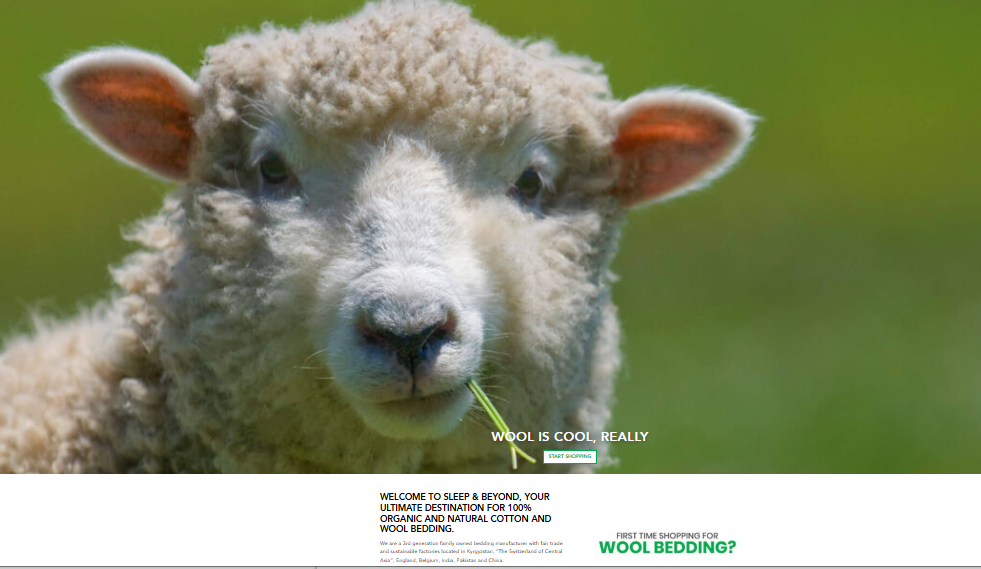
The ad presents wool as a remarkable natural fiber — capable of keeping sleepers warm in winter and cool in summer. It’s a promise of balance and adaptability, echoing nature’s own design. For many consumers, especially those who experience night sweats, allergies, or temperature fluctuations, this benefit feels personal and practical.
In addition, the focus on chemical-free and pesticide-free production underlines a growing health concern. People are increasingly aware that what they bring into their homes — especially into intimate spaces like the bedroom — can affect their overall well-being. By emphasizing that its bedding contains no harsh dyes, toxic finishes, or flame-retardant chemicals, the ad positions the brand as a safer, healthier alternative.
Health and Wellness Benefits
The advertisement goes beyond selling comfort; it sells wellness. It appeals to the understanding that sleep is not merely rest but restoration — the time when the body heals and the mind resets. Using bedding that supports clean, natural sleep becomes a health decision, not just a lifestyle choice.
Organic materials are hypoallergenic and gentle on sensitive skin. They resist dust mites, wick away moisture, and create a cleaner sleep environment. For individuals suffering from asthma, allergies, or multiple chemical sensitivities, this is a significant advantage. The ad subtly invites viewers to imagine nights free of irritation, sneezing, or overheating — a simple yet profound transformation of their quality of life.
Moreover, there is a psychological comfort in knowing that one’s bed is free from synthetic pollutants. That peace of mind — the assurance that your rest space is safe and pure — is perhaps one of the ad’s most powerful emotional appeals.
Sustainability and Ethical Production
One of the most striking aspects of the advertisement is its emphasis on sustainability. It presents a clear stance against the disposable mindset dominating much of today’s retail landscape. Instead of promoting low-cost, short-lived products, the ad encourages long-term thinking — investing in items that endure, support ethical farming, and protect the Earth.
The brand’s use of fair-trade practices and sustainable supply chains reinforces this message. It shows respect not only for consumers but also for farmers, artisans, and the environment. Every step — from the pasture where the sheep graze to the final stitch in the bedding — reflects mindfulness and accountability.
This message resonates deeply with eco-conscious consumers who want their purchases to align with their values. It transforms a simple act of buying sheets or a comforter into a contribution toward global well-being. Sustainability becomes not just a feature but a moral choice — one that connects personal comfort with planetary health.
Aesthetic and Emotional Appeal
The advertisement’s tone is serene and genuine. Rather than relying on flashy graphics, it often uses soothing colors, natural imagery, and calm narration. This design choice mirrors the very product it promotes — natural, balanced, and timeless. The visuals of clouds, soft wool, and peaceful sleepers reinforce the promise of restfulness and purity.
Emotionally, the ad appeals to universal desires: warmth, safety, and tranquility. It invites viewers to envision their bed as a sanctuary — a retreat from the noise of the world. In doing so, it transforms the act of sleep into an experience of renewal.
The emotional storytelling also touches on identity. Owning products made ethically and naturally becomes an expression of self-respect and awareness. The advertisement subtly suggests that choosing consciously made bedding is a reflection of living consciously — valuing quality over excess, authenticity over convenience.
Durability and Value
Another crucial benefit the ad communicates is longevity. The brand doesn’t portray its products as fleeting indulgences but as investments that will last for years. Natural fibers like wool and cotton are known for resilience and performance over time. Properly cared for, they maintain their structure and comfort far longer than synthetic alternatives.
This aspect strengthens the economic argument for quality. While the initial cost may be higher, the long-term value is clear. Fewer replacements mean less waste, more savings, and a deeper appreciation for what one owns. The ad subtly teaches a lesson about sustainable consumption: buy better, buy less.
Why the Advertisement Works
The success of this ad lies in its balance between logic and emotion. It provides concrete benefits — better sleep, improved health, lasting value — while appealing to moral and emotional sensibilities — care for the Earth, respect for craftsmanship, and self-care through mindful choices.
It avoids exaggeration, focusing instead on credibility. The language feels trustworthy, the visuals serene, and the promises achievable. Consumers today are skeptical of grand marketing claims, so honesty and transparency have become persuasive in themselves. This ad recognizes that shift perfectly.
Conclusion
Ultimately, this advertisement does more than promote bedding — it promotes a way of living. It redefines luxury not as opulence but as purity, comfort, and conscience. It invites people to rest with peace of mind, knowing their comfort doesn’t come at the expense of their health or the planet.
In a marketplace flooded with synthetic promises, this message stands out as refreshingly human. It reminds us that the foundation of a good day begins the night before — with clean materials, ethical craftsmanship, and the kind of sleep that restores both body and spirit.
When viewed through that lens, the ad is not simply selling a product. It is offering a philosophy: sleep well, live gently, and dream responsibly.